EN
EN
 AR
AR
 BG
BG
 NL
NL
 FI
FI
 FR
FR
 DE
DE
 HI
HI
 IT
IT
 JA
JA
 KO
KO
 NO
NO
 PL
PL
 PT
PT
 RO
RO
 RU
RU
 ES
ES
 SV
SV
 CA
CA
 TL
TL
 ID
ID
 SR
SR
 UK
UK
 VI
VI
 TH
TH
 TR
TR
 FA
FA
 AF
AF
 MS
MS
 GA
GA
 CY
CY
 IS
IS
 AZ
AZ
 BN
BN
 LO
LO
 LA
LA
 SO
SO
 MY
MY
 KK
KK
 UZ
UZ

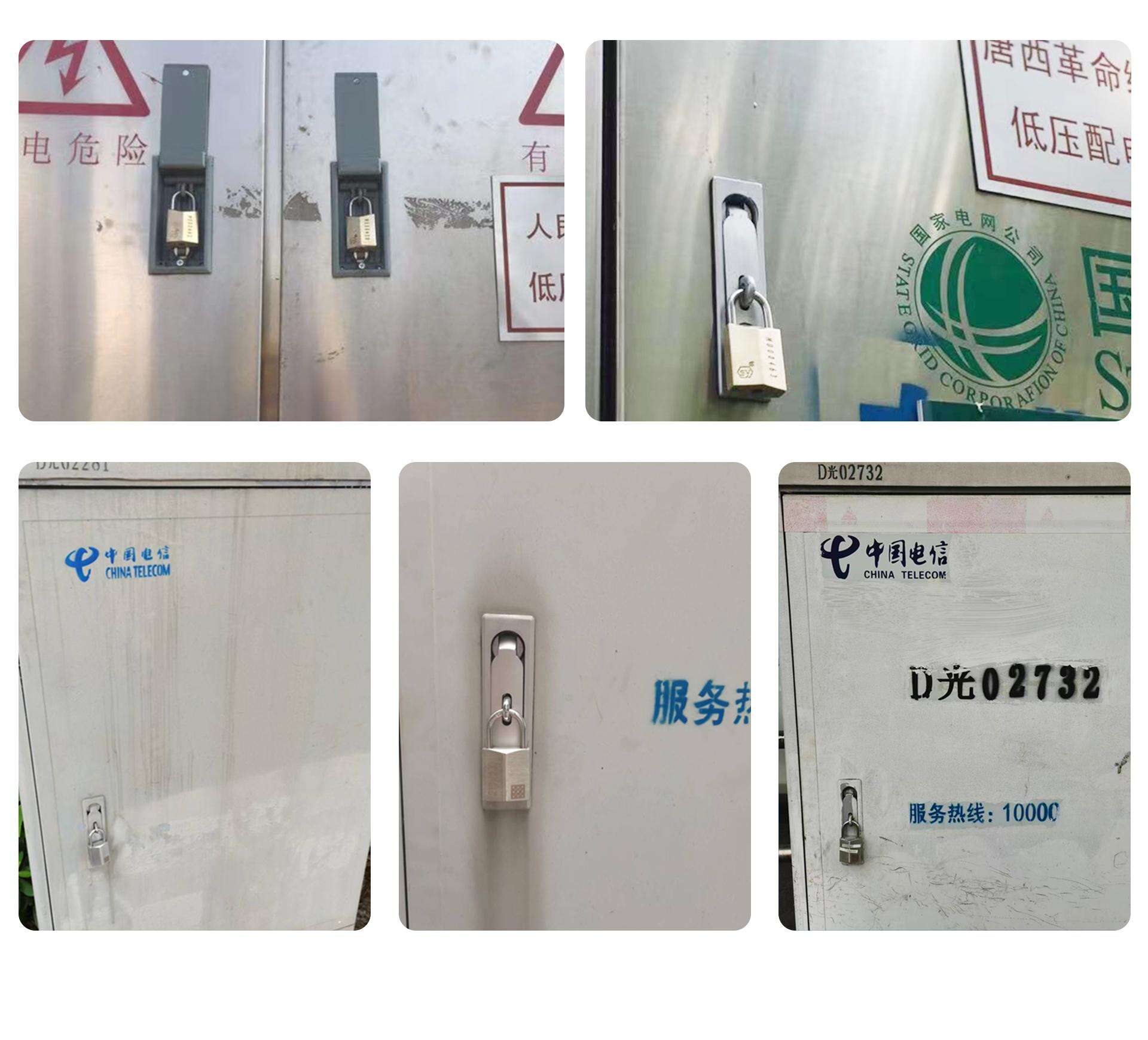
As a critical component of the power system, the safety management of power distribution rooms is of paramount importance. As the first line of defense for equipment security, improper selection and use of power distribution room locks may lead to severe safety hazards. Today, we will discuss key considerations for power distribution room locks to help you choose and use them correctly!
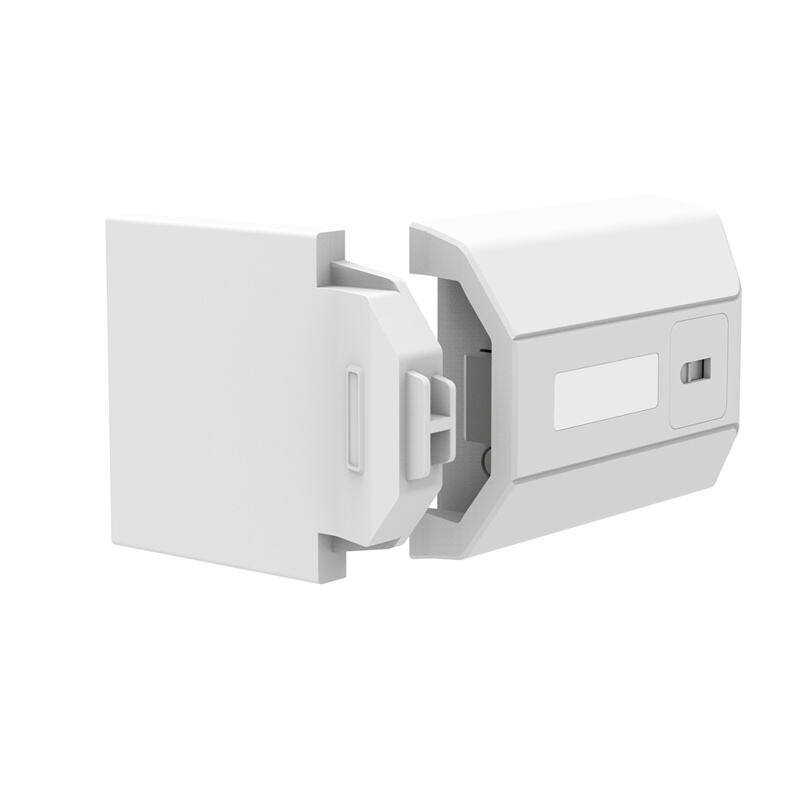
Core Requirements for Power Distribution Room Locks
The fundamental requirements for power distribution room locks are security and practicality.
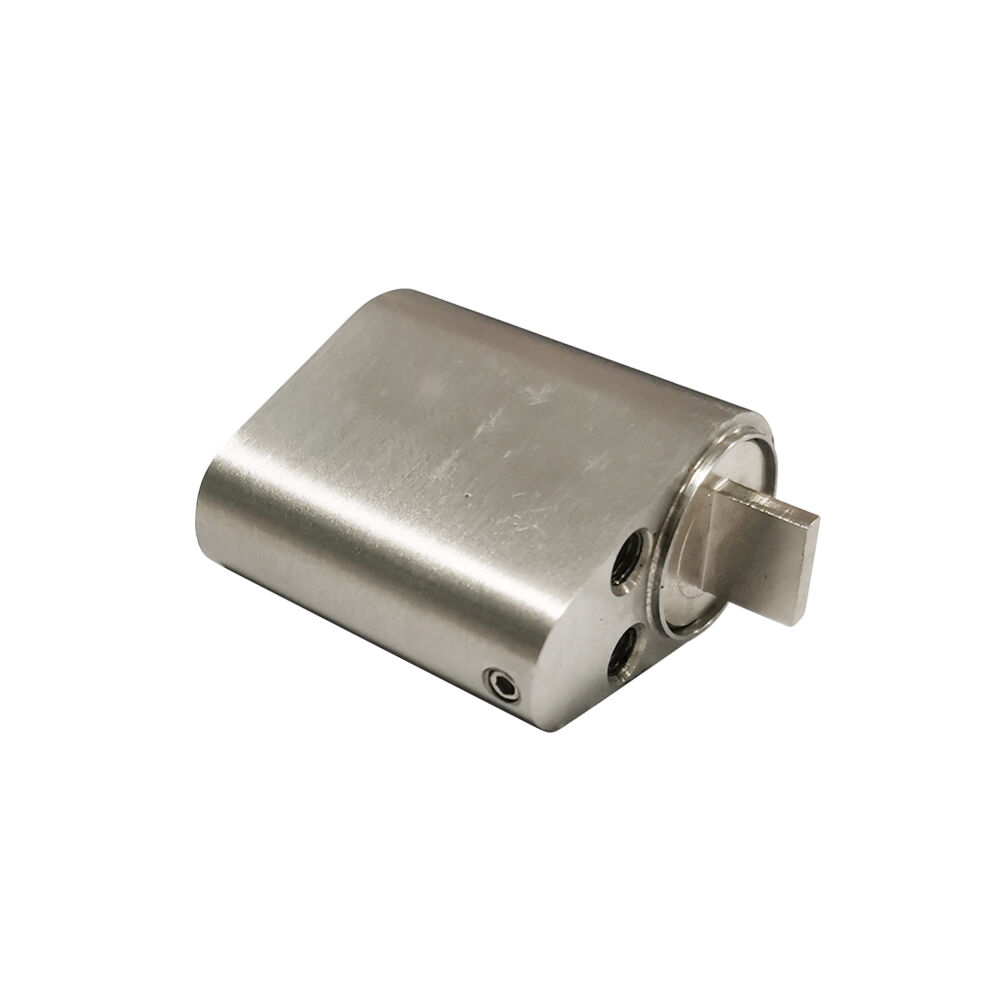
1. Robust Material: The lock body must be sturdy and durable; steel or alloy materials are recommended to resist physical damage.
2. High Anti-Theft Performance: Select locks with anti-pry, anti-drill, and anti-technical intrusion features. Ordinary household locks are strictly prohibited for this application.
Common Types of Power Distribution Room Locks and Applicable Scenarios
Mechanical Locks
1. Features: Simple structure, cost-effective.
2. Application: Suitable for small-scale distribution rooms or scenarios with low security requirements.
3. Limitation: Prone to key management issues; lock replacement is mandatory if keys are lost.
Electronic Locks
1. Features: Unlocked via password, RFID card, fingerprint, etc., with enhanced security and manageability.
2. Application: Ideal for large distribution rooms or sites with high personnel turnover (e.g., smart IC card locks support one-card-per-person and instant permission revocation).
Electromagnetic Locks
1. Features: Secured by electromagnetic force, automatically unlocks upon power failure.
2. Application: Commonly used in high-voltage distribution rooms.
3. Note: Dependent on stable power supply; avoid lock failure due to power outages.
Precautions for Using Power Distribution Room Locks
Regular Inspection and MaintenanceRoutinely check for lock damage, loose components, and intact keys. Replace faulty locks promptly to prevent operational risks.
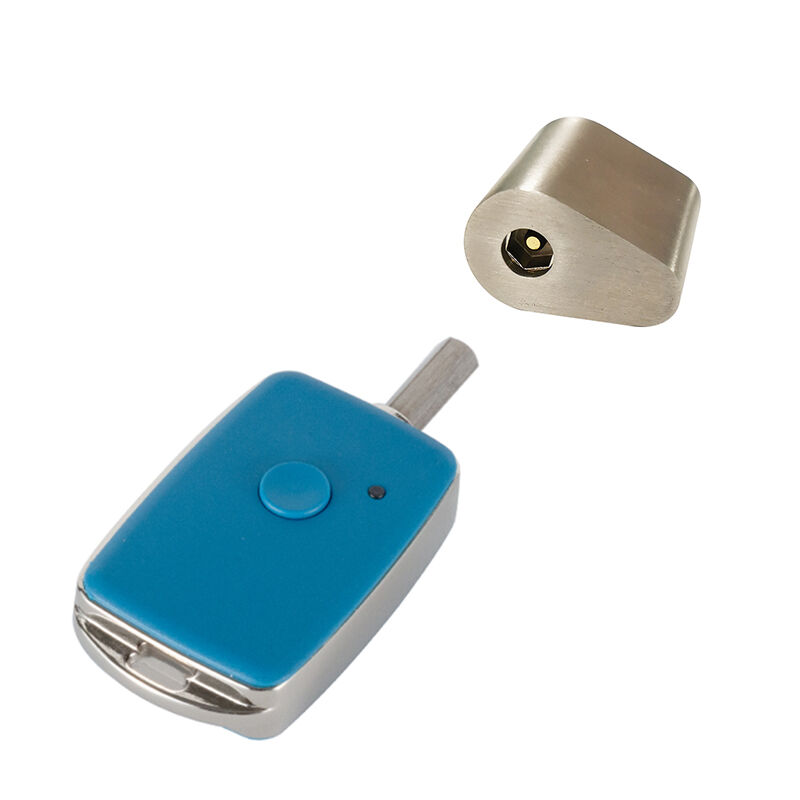
Standardized Key/Authority Management
1. For mechanical locks: Designate dedicated personnel to keep keys; prohibit unauthorized placement or removal from work areas.
2. For electronic locks: Regularly update passwords and reissue IC cards to prevent information leakage.
Emergency Response PlanEstablish contingency protocols for lock malfunctions, including designated backup key storage locations and emergency unlocking procedures, to ensure rapid resolution without disrupting power supply.
Though small in size, power distribution room locks are vital to power safety. Proper selection and standardized usage effectively mitigate security risks and safeguard the stable operation of the power system.What type of lock is used in the power distribution room near you?